When choosing glass for commercial storefronts and curtain walls in Texas, understanding the differences between double pane and single pane glass is essential. Whether you’re a general contractor, architect, designer, or glazier, making the right choice impacts energy efficiency, cost, and installation. At ALUMIN LLC, we specialize in aluminum storefront and curtain wall installations, and we’re here to help you select the best glass for your project.
Single Pane Glass: Pros & Cons
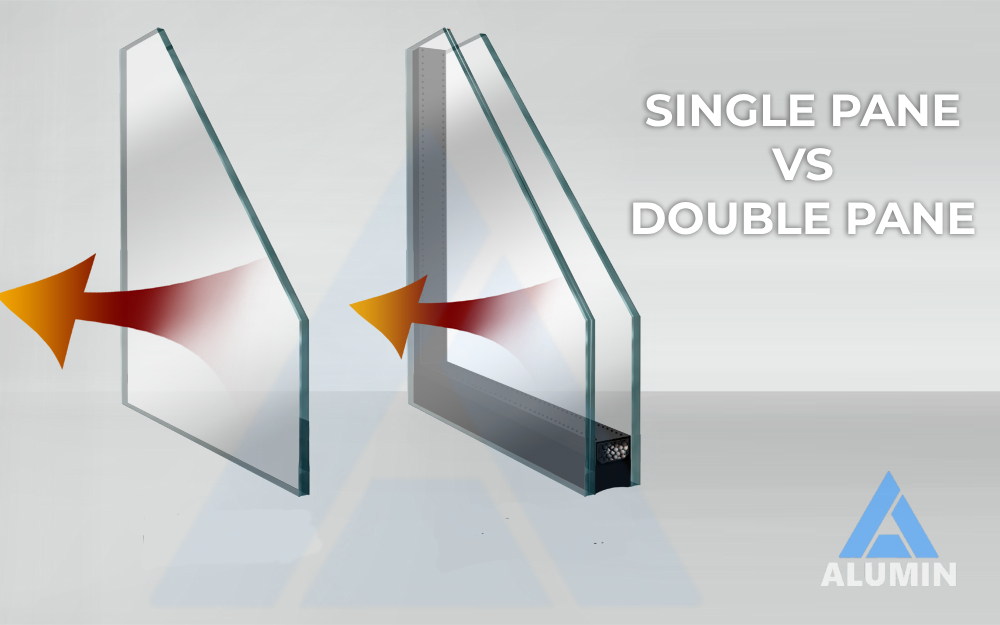
Single pane glass consists of one layer of glass with no insulating air space. While it has some advantages, it also comes with drawbacks that can impact long-term performance.
Pros of Single Pane Glass
More Design Flexibility – Can be used in thinner frames and minimalist designs.
Lower Cost – Single pane glass is generally more affordable in terms of material cost.
Lighter Weight – Easier to handle and install, reducing labor and framing requirements.
Cons of Single Pane Glass.
Poor Insulation (High U-Value) – It allows more heat transfer, making it less energy-efficient.
Higher Energy Costs – Less effective at maintaining indoor temperatures, leading to increased heating and cooling costs.
Less Sound Insulation – Doesn’t block exterior noise as effectively as double pane glass.
Lower Durability – More prone to breakage and may not meet energy codes in commercial applications.
Best For: Budget-conscious projects where energy efficiency is not a priority, such as interior glass partitions or non-conditioned spaces.
By collaborating with these reputable manufacturers, Alumin LLC ensures the highest quality materials and systems for all glazing projects.
Double Pane Glass: Pros & Cons
Double pane glass consists of two layers of glass with a spacer in between, typically filled with argon or air, providing better insulation and performance.
Pros of Double Pane Glass
Increased Durability – More resistant to breakage and often meets stricter building codes.
Energy Efficiency (Low U-Value) – Reduces heat transfer, keeping interiors cooler in Texas summers and warmer in winter.
Lower Utility Bills – Helps cut down on HVAC costs by improving thermal performance.
Better Sound Insulation – Reduces exterior noise, ideal for high-traffic areas or urban environments.
Cons of Double Pane Glass
Higher Cost – More expensive than single pane glass due to additional materials and manufacturing.
Heavier Weight – Requires stronger framing and professional installation.
Potential Seal Failure – If not properly installed, the insulating gas can leak over time, reducing efficiency.
Best For: Commercial storefronts, office buildings, and energy-efficient designs where insulation, durability, and comfort matter.
Installation Considerations
At Alumin LLC, we specialize in installing both single pane and double pane glass in commercial applications. Here’s what to consider for each:
Single Pane Glass is easier and faster to install but may require additional insulation measures in energy-conscious projects.
Double Pane Glass requires precise handling, sealing, and a robust frame, making professional installation essential to avoid efficiency losses.
Our team ensures that every installation meets Texas energy codes, enhances building performance, and provides long-term durability.
Which One Should You Choose?
If your project prioritizes energy efficiency, lower operating costs, and noise reduction, double pane glass is the best investment.
If budget constraints or design preferences favor a simpler solution, single pane glass may be a better fit.

At Alumin LLC, we help contractors, architects, and designers find the best glazing solutions for their commercial projects. Whether you need a storefront or a curtain wall system, our expert installers ensure flawless execution from start to finish.